
What Is a Tactical Hatchet Used For? A Practical Camping & Bushcraft Guide
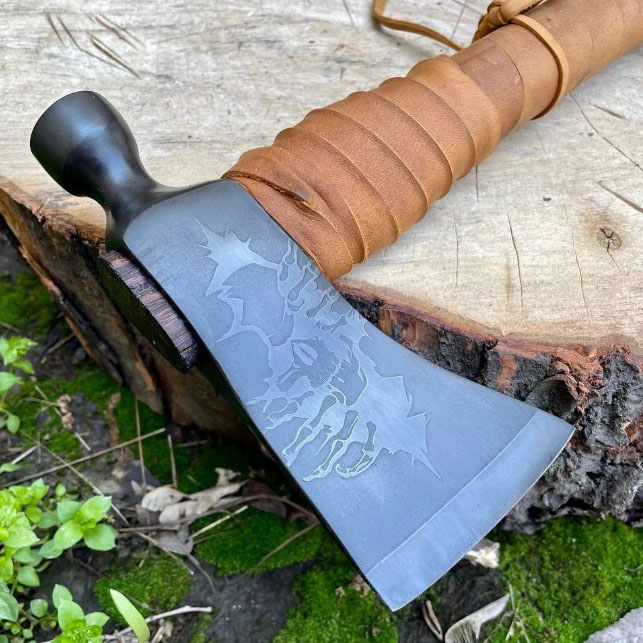
A compact axe or hatchet can be one of the most versatile tools in a camping or bushcraft kit. It can help prepare firewood, trim branches, shape wooden stakes and handle many of the routine wood-processing tasks that appear around a campsite. A well-designed camping hatchet combines portability with enough cutting power for jobs where a knife may be too small and a full-size axe unnecessarily heavy.
In this guide, we look at what a tactical hatchet or camping axe is commonly used for, which features are worth paying attention to and how to choose a tool that matches your outdoor activities.
What Is a Tactical Hatchet Used For?
The term tactical hatchet is often used for compact, robust axes designed for outdoor, camping and utility work. In practice, many users are better served by thinking of them simply as durable camping or bushcraft hatchets.
Typical outdoor uses include:
- splitting small pieces of firewood and kindling,
- cutting or trimming suitable branches,
- shaping wooden tent or tarp stakes,
- processing wood for camp projects,
- general garden and outdoor maintenance,
- preparing an established campsite where local rules allow wood processing.
The main advantage of a compact hatchet is versatility. It is easier to carry than a long axe while providing considerably more leverage for wood processing than most small outdoor knives.
Hatchet or Axe – What Is the Difference?
The terms are sometimes used interchangeably, but there is a practical distinction. A hatchet generally has a shorter handle and is designed for controlled work at close range. A full-size axe normally has a longer handle and heavier head, making it better suited to larger pieces of wood and tasks requiring greater leverage.
For camping, hiking and bushcraft, a compact hatchet is often convenient because it takes up less space and can handle common camp chores. For heavier wood-processing work, a longer axe is usually more efficient.
You can explore the current SUVENIX collection of handmade axes and hatchets in the dedicated outdoor-tool category.
What Makes a Good Camping Hatchet?
1. A Strong, Well-Fitted Axe Head
The quality of the steel and heat treatment influences edge retention, durability and how easily the cutting edge can be maintained. Many current SUVENIX models use hardened tool steel, including U8GA steel, rather than the generic stainless-steel construction described in older versions of this article.
The connection between the axe head and handle is equally important. A secure fit reduces unwanted movement and contributes directly to predictable, controlled use.
2. A Comfortable Handle
Handle material and shape affect both comfort and control. Ash wood is traditionally valued for tool handles because it combines strength with useful shock-absorbing properties.
A properly shaped handle should feel stable in the hand without requiring excessive grip pressure. Some models also include leather wrapping or additional shaping around the grip area.
3. Balanced Weight and Length
A heavier head may provide more splitting power, but added weight also makes a tool more tiring to carry and use. A smaller hatchet is usually more convenient for light camping tasks, while longer and heavier axes are better suited to demanding wood processing.
The best choice therefore depends on whether the axe will spend most of its time in a backpack, at a permanent campsite, in the garden or as part of a larger outdoor equipment set.
4. Safe Storage and Transport
A fitted blade or head sheath is an important feature for a camping axe. It protects the cutting edge during storage and, more importantly, reduces the risk of accidental contact with the blade while the tool is being transported.
Using a Hatchet Around Camp
Preparing Firewood
One of the most common applications is preparing smaller pieces of dry wood and kindling. A compact axe is particularly useful for splitting manageable pieces of wood into smaller sections suitable for an established fire or stove.
Always check local regulations before collecting wood or lighting a fire. Rules differ between forests, parks, campsites and countries, and cutting living trees or gathering wood may be prohibited even when campfires are allowed.
Preparing Stakes and Simple Camp Components
A hatchet can also help shape wooden stakes or trim already available wood for simple camp projects. For most recreational camping, however, modern tents, tarps and ready-made poles reduce the need to cut vegetation at all.
Whenever possible, use fallen wood or materials supplied by the campsite rather than damaging living trees.
General Outdoor and Garden Work
A quality hatchet does not have to be limited to wilderness trips. Compact axes can also be useful for pruning suitable branches, preparing stove wood and carrying out routine outdoor jobs around a garden, cabin or campsite.
How to Use a Camping Axe More Safely
An axe is a cutting tool and should always be treated accordingly. Before use, check that the head is firmly attached, the handle has no significant cracks or damage and the cutting area is clear of other people.
- Use a stable chopping surface whenever possible.
- Keep other people outside the working area.
- Avoid swinging toward your body or supporting hand.
- Wear suitable footwear and consider eye protection when chips may fly.
- Do not use an axe with a loose head or damaged handle.
- Cover the blade with its sheath when carrying or storing the tool.
How to Care for a Handmade Axe or Hatchet
Good maintenance helps preserve both performance and appearance. After outdoor use, remove moisture and dirt from the axe head and allow the tool to dry completely before long-term storage.
Depending on the steel and finish, the metal surface may benefit from occasional protective oiling. Wooden handles should also be inspected periodically and maintained according to the manufacturer's recommendations.
Store the axe in a dry place and use a properly fitted sheath to protect the cutting edge.
Handmade Axes and Hatchets from SUVENIX
The SUVENIX collection includes handmade axes, camp axes and compact hatchets made with steel heads and wooden handles, including models designed for camping, bushcraft, home use and collectors who appreciate traditional craftsmanship.
Explore our handmade axes and hatchets and compare compact hatchets with longer camp and splitting axes to find the format that best matches your intended use.
Which Hatchet Should You Choose?
There is no single ideal outdoor axe for every situation. A compact hatchet is easier to carry and well suited to light camp work, while a longer axe provides greater leverage for more demanding wood-processing tasks.
Pay attention to the quality of the steel, the security of the head mounting, handle ergonomics, overall balance and the availability of a protective sheath. Choosing the right combination of these features will give you a tool that is comfortable to use, easier to maintain and suitable for many years of outdoor use.
Recommended

Handmade SCYTA Scythian Hatchet with Steel Head and Ash Handle TR1
